Planning your Ladakh travel adventure? This practical Ladakh travel guide covers the best places to visit, a 7-day itinerary, things to do, local food, route planning, and essential travel tips. From Leh and Nubra Valley to Turtuk, Pangong Tso and Hanle, use this guide to plan an adventure-focused Ladakh trip with a clear route and realistic pace.
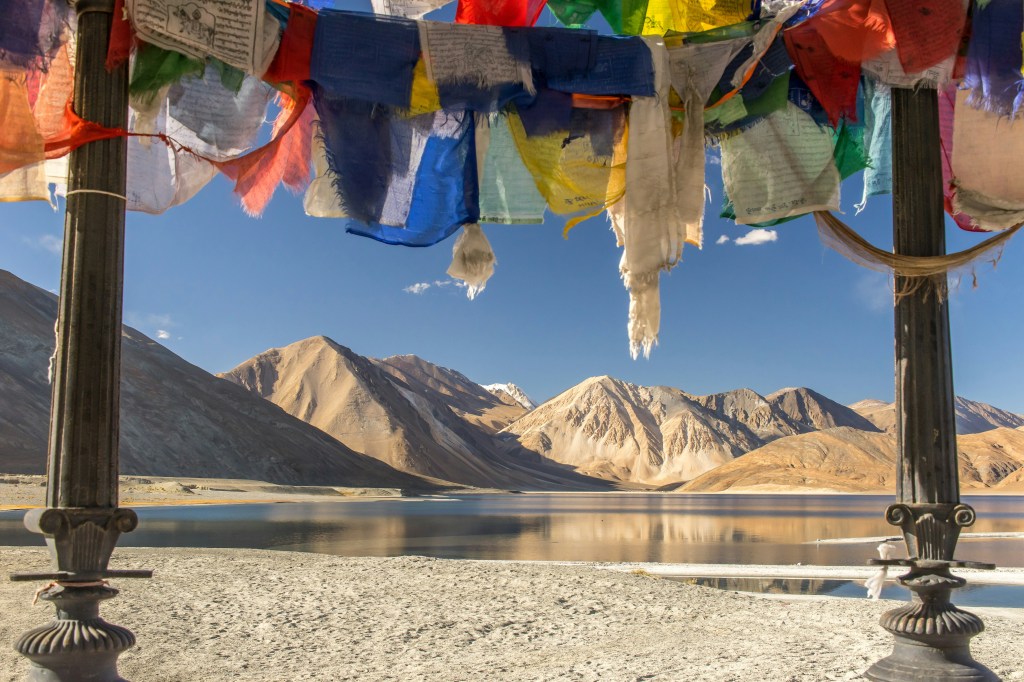
Quick Ladakh Facts
Route: Leh → Khardung La → Nubra Valley → Turtuk → Pangong Tso → Chushul → Hanle → Changthang → Leh
Trip Style: Adventure road trip • Stargazing • Photography • Spiritual travel
Ideal For: Riders and road-trippers, adventure seekers, stargazers, photographers, and spiritual travelers.
Suggested Duration: 7 days
Acclimatization: The itinerary begins with a relaxed arrival day in Leh. Leh is around 3,500 m, so the itinerary prioritizes rest and acclimatization before heading toward higher-altitude areas.
Route Focus: The 7-day route prioritizes Leh, Nubra, Turtuk, Pangong and Hanle while keeping the journey relatively efficient.
Best Places to Visit in Ladakh
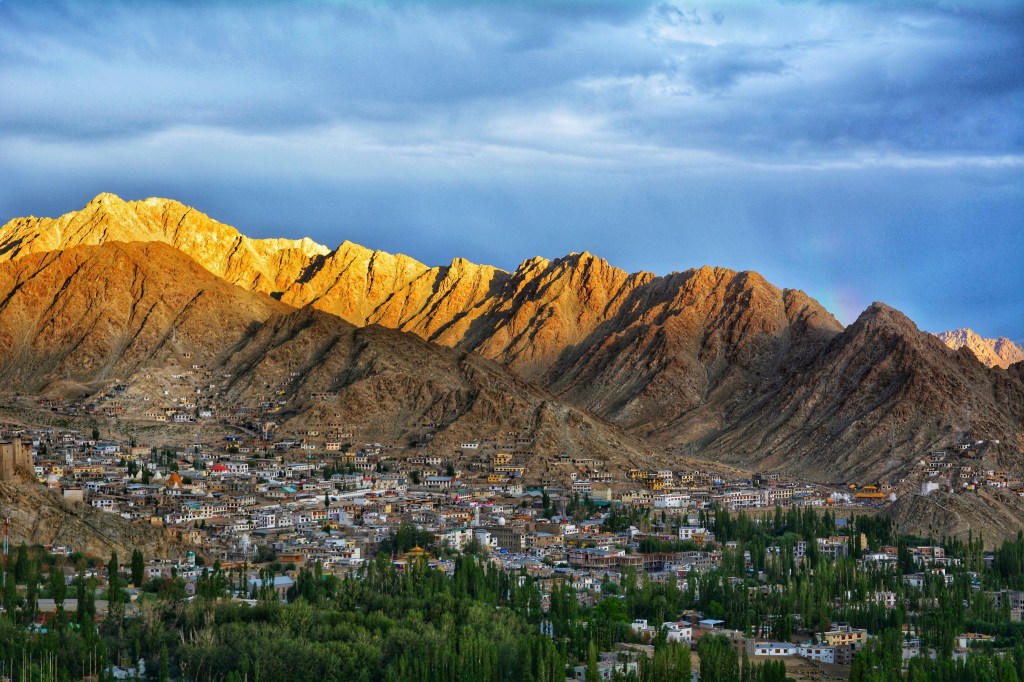
Leh
The starting point of the itinerary, with places such as Leh Market, Shanti Stupa, Leh Palace and the Namgyal Tsemo area.
Nubra Valley
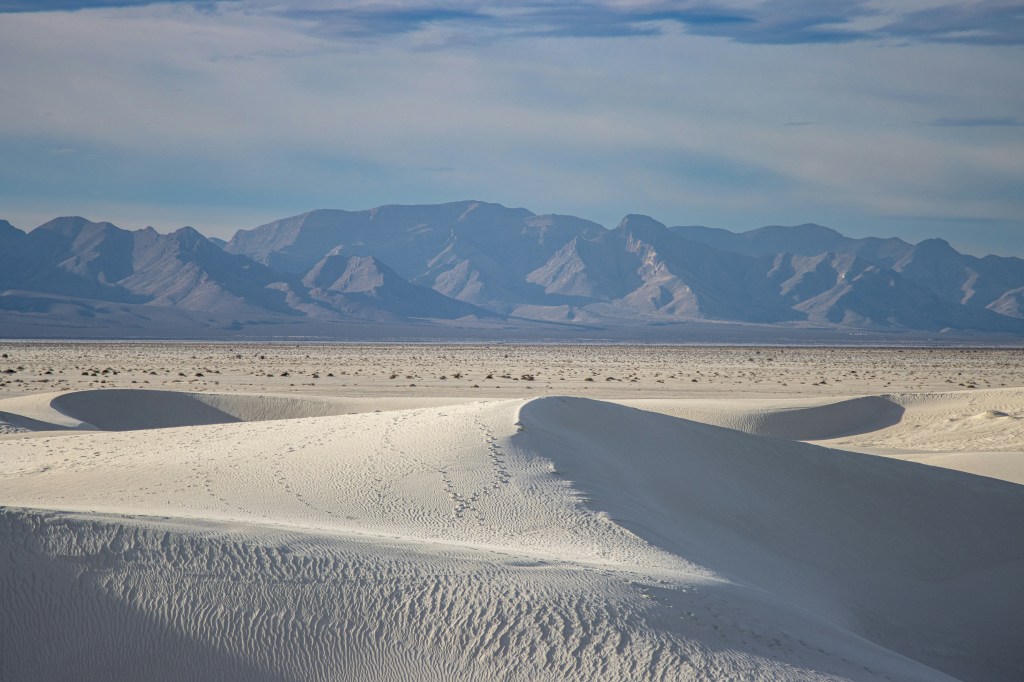
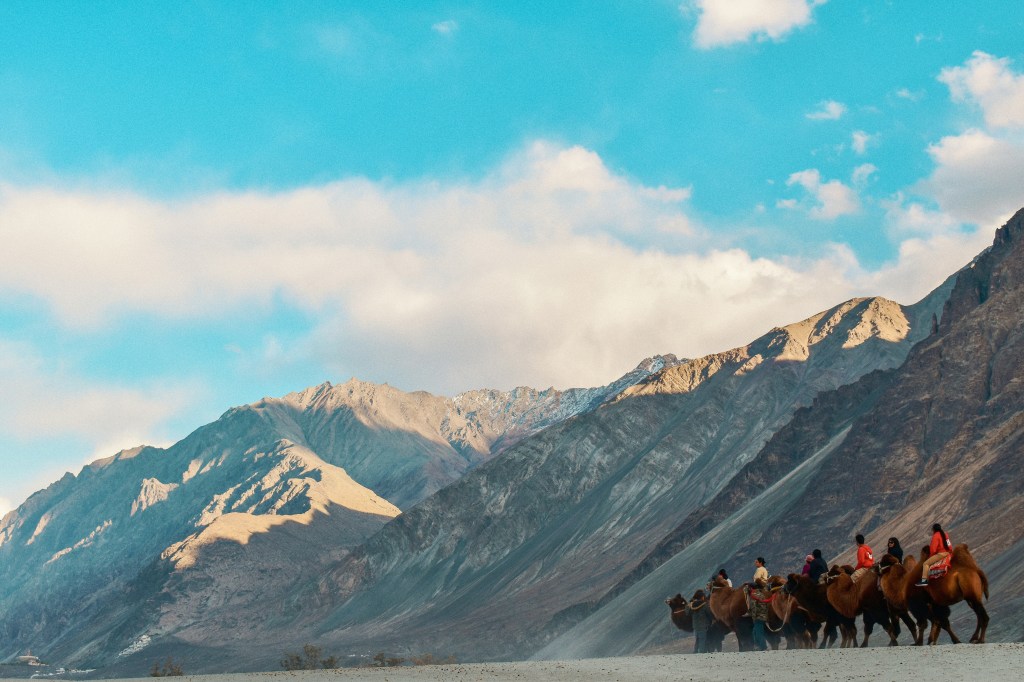
Known for its mountain-road scenery, Diskit Monastery, Hunder Sand Dunes and Bactrian Camel Ride.
Turtuk
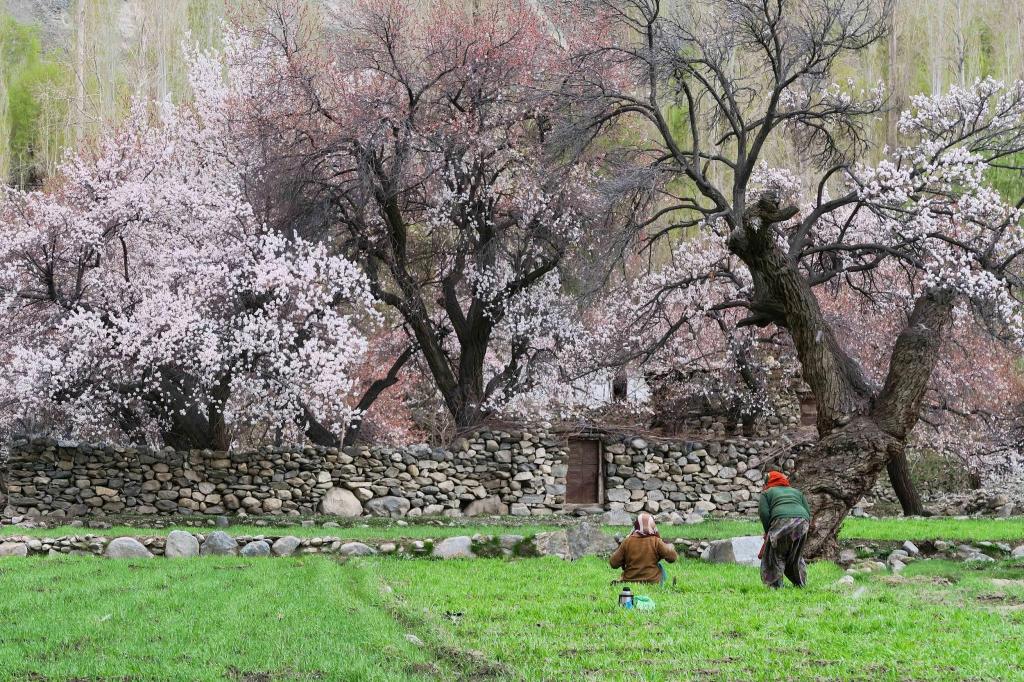
A culturally distinctive village with Balti heritage houses, traditional lanes, apricot orchards and mountain views.
Pangong Tso
A scenic lake destination suited to lakeside walks, sunset views, photography and stargazing.
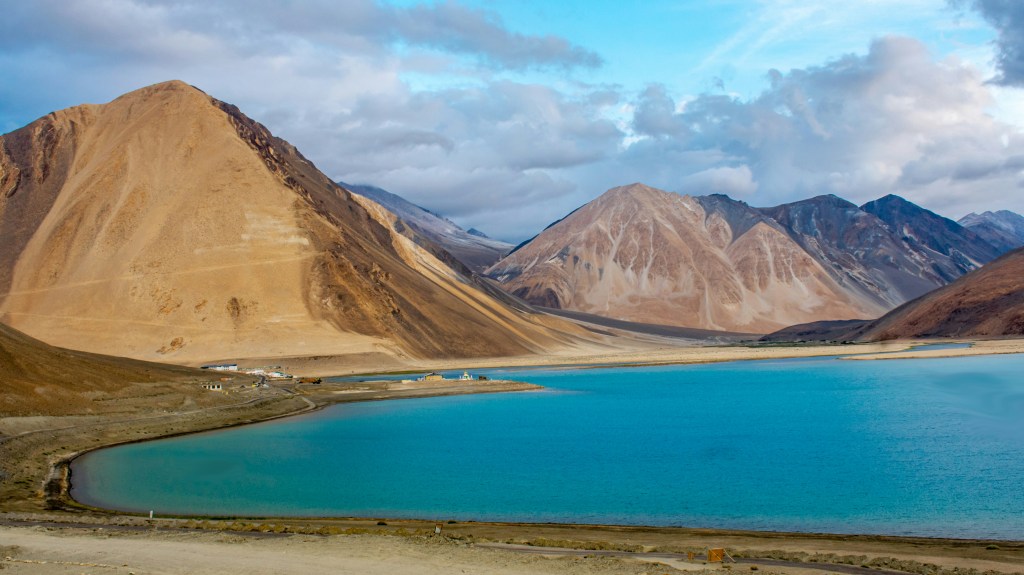
Hanle
A remote destination in the Changthang region, known in the itinerary for its village, monastery, observatory area and dark skies.
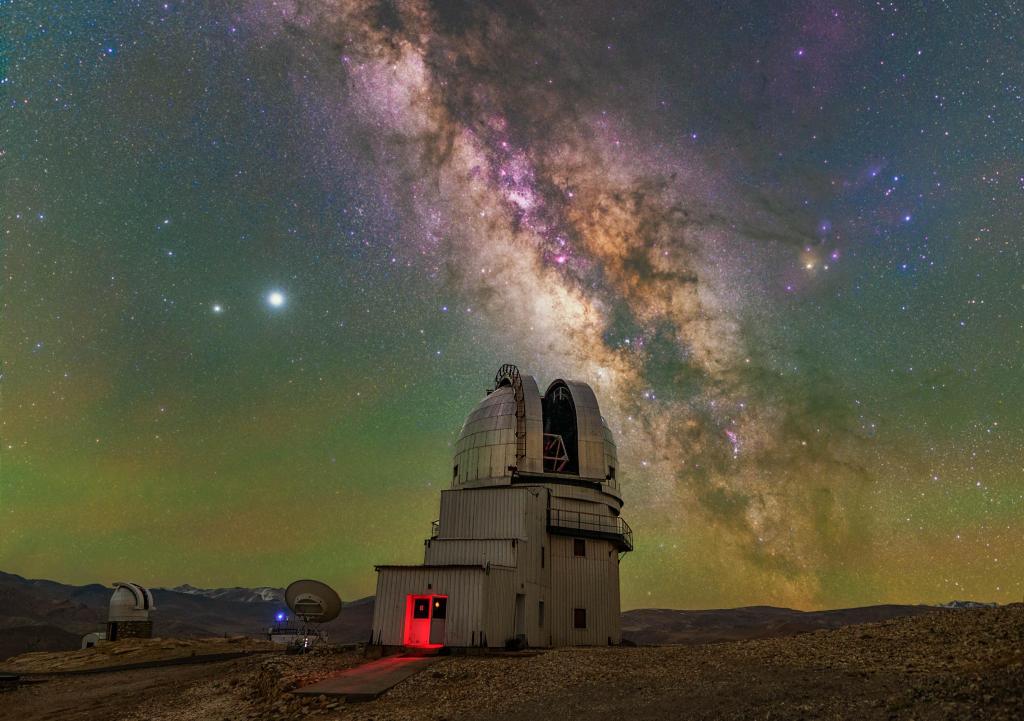
Thiksey Monastery
A monastery included as part of the final-day sightseeing before departure from Leh.
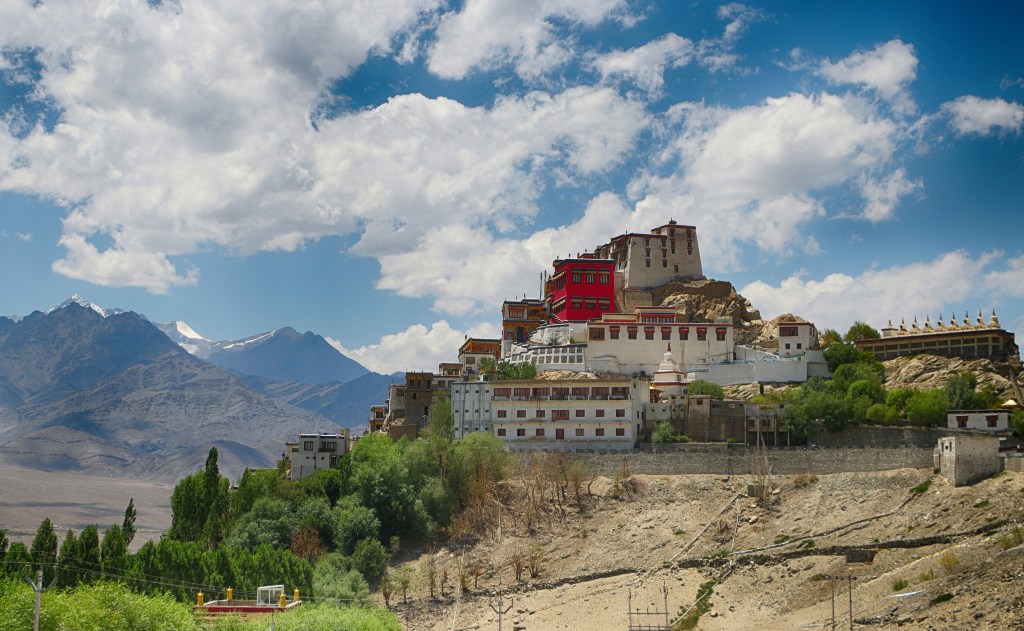
Shey Palace
A final-day stop included in the itinerary, depending on available time before the airport transfer.
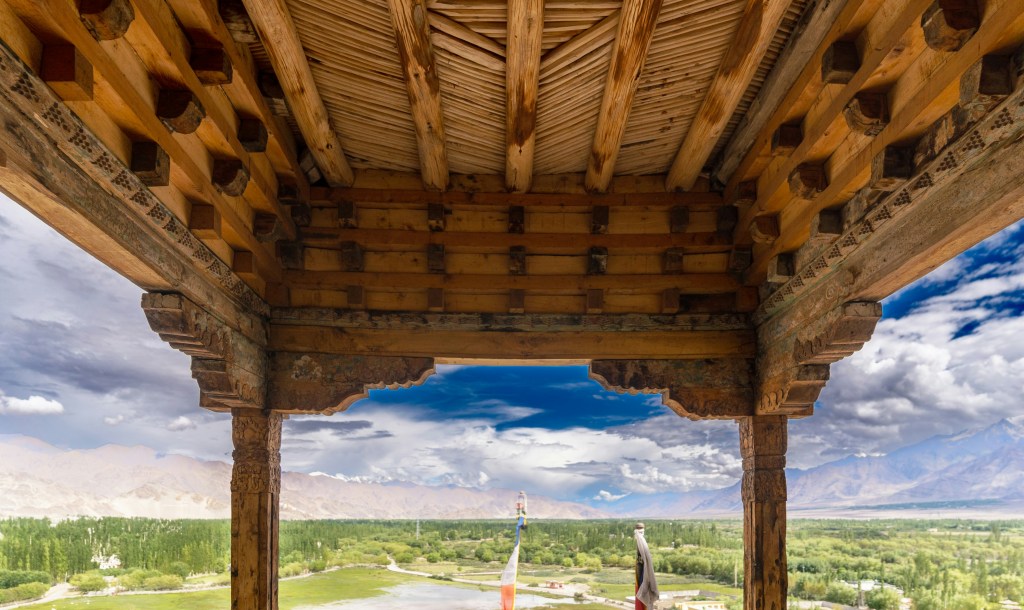
Lamayuru
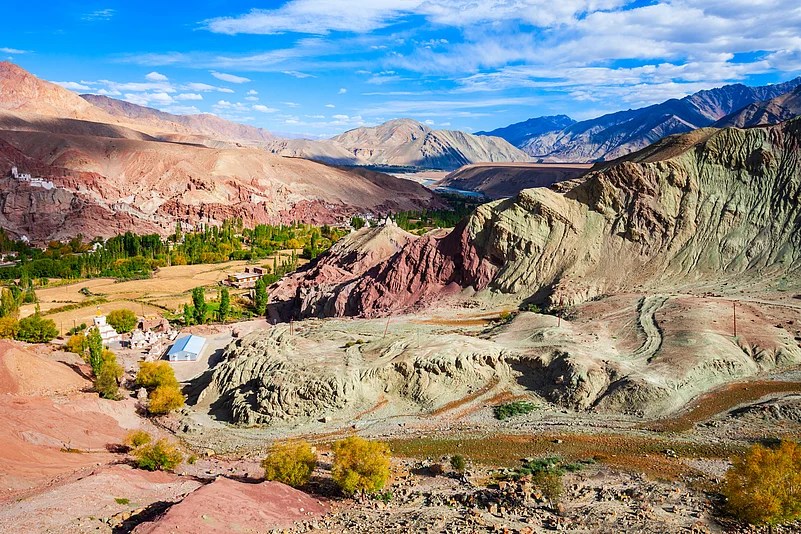
A distinctive landscape destination highlighted in the Firasti guide for its surreal “Moonland” scenery and photography opportunities.
7-Day Ladakh Itinerary
Day 1 Leh
Leh is the starting point of the itinerary. Explore Leh Market, Shanti Stupa, Leh Palace and the Namgyal Tsemo area. Keep the first day relaxed and allow time to acclimatize.
Day 2 Nubra Valley
Nubra Valley combines high-altitude mountain roads with Diskit Monastery, Hunder’s sand dunes and a Bactrian camel ride. The route passes through Khardung La and North Pullu.
Day 3 Turtuk
Turtuk is known for its Balti culture, traditional homes, village lanes and apricot orchards. The itinerary also includes the Shyok Valley, with Thang / Zero Point possible if current access permits.
Day 4 Pangong Tso
The route to Pangong Tso passes through Shyok, Durbuk and Tangtse before reaching Spangmik. The itinerary includes a lakeside walk, sunset, photography and stargazing.
Day 5 Hanle
Hanle offers remote Changthang landscapes, Hanle Village, Hanle Monastery and the Indian Astronomical Observatory area. The itinerary also includes a night-sky and stargazing experience.
Day 6 Hanle → Leh
Start the journey from Hanle toward Leh. Depending on current route conditions and access, the journey can include Puga Valley, Chumathang, and Tso Kar before continuing toward Leh. The exact route should be finalized based on current road and access conditions. Night: Leh.
Day 7 Leh → Home
On the final day, visit Thiksey Monastery and Shey Palace, with a stop at Rancho School (3 Idiots School) if time permits. After exploring these places, continue to the airport for your journey home.
Things to Do in Ladakh
1. Ride through Khardung La
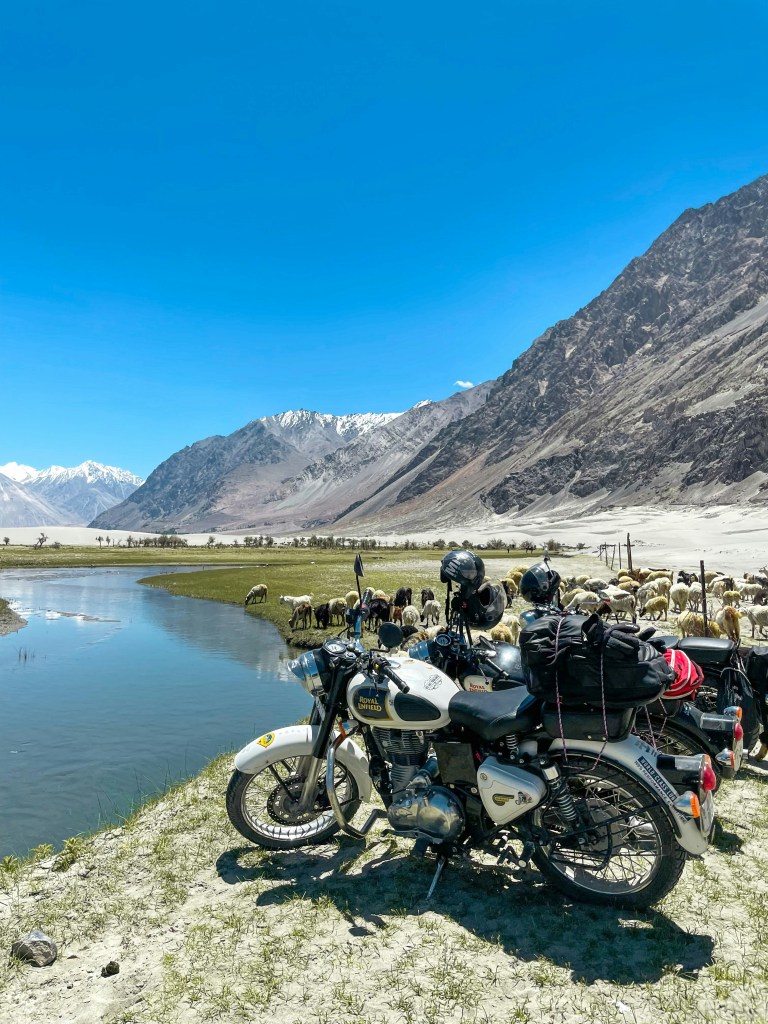
Ride through Khardung La as part of the route from Leh toward Nubra Valley. The itinerary includes Khardung La and North Pullu before continuing toward Diskit and Hunder.
2. Bactrian Camel Ride in Hunder
Experience a Bactrian camel ride among the sand dunes of Hunder in Nubra Valley.
3. Explore Turtuk Village
Explore Turtuk’s Balti culture, traditional homes, village lanes and apricot orchards.
4. Watch the Sunset at Pangong Tso
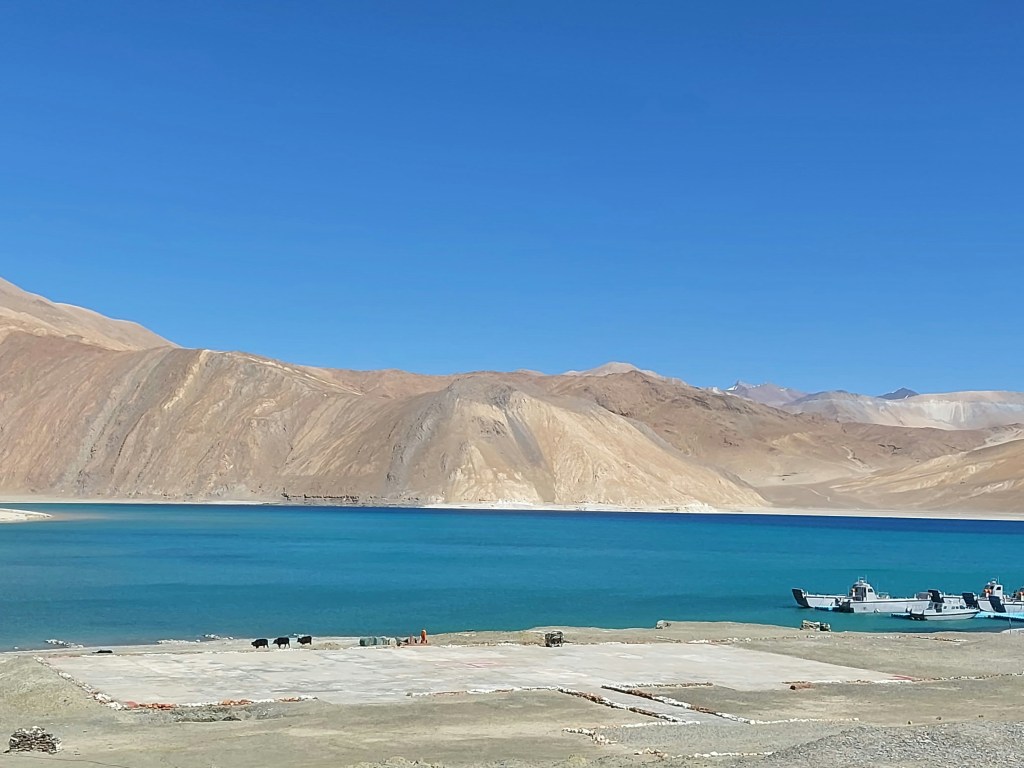
Spend time beside Pangong Tso with a lakeside walk, sunset, photography and stargazing.
5. Stargaze in Hanle
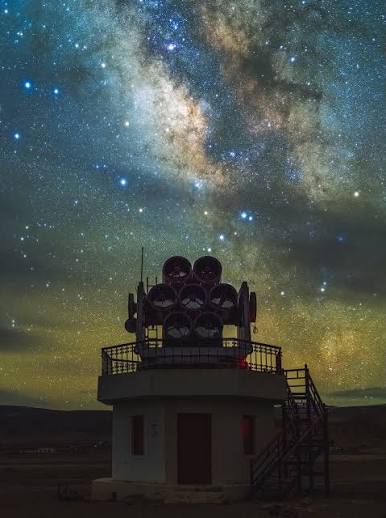
Hanle’s remote location and exceptionally dark skies make it one of the standout places in the itinerary for stargazing and night-sky photography.
6. Visit Ladakh’s Monasteries
The itinerary includes Diskit Monastery, Hanle Monastery and Thiksey Monastery, along with Leh Palace, Shanti Stupa and Shey Palace.
7. Explore Changthang Landscapes
Explore the remote Changthang landscapes around Hanle, known for vast terrain and excellent opportunities for landscape photography.
8. Photography Across Ladakh
Photograph Pangong’s changing colors, Turtuk’s village architecture, Nubra’s dunes, monasteries, night skies and Himalayan landscapes.
Ladakh Food Guide
Ladakh’s food reflects the region’s mountain culture, with hearty dishes and traditional drinks that are worth trying during your trip. Look out for local favorites such as Thukpa, Skyu, Momos, Tingmo, Butter Tea, and Chhang while exploring Leh, Nubra and other parts of Ladakh.
Thukpa
Thukpa is a comforting noodle soup popular in Ladakh, especially during the colder months. Made with noodles, vegetables, and a flavorful broth, it is a simple local dish worth trying while exploring Leh and other parts of the region.
Skyu
Skyu is a traditional Ladakhi dish made with hand-shaped dough pieces cooked in a thick vegetable-based stew. It is a hearty local food to try while exploring Ladakh, particularly in Leh and traditional local eateries.
Momos
Momos are steamed dumplings commonly found across the Himalayan region and are a popular food to try in Ladakh. You can find different fillings at cafés and local eateries in Leh, making momos an easy option for a quick meal during your trip.
Tingmo
Tingmo is a soft Tibetan steamed bread that is commonly served with meat-based stews and stir-fried dishes. Its light, fluffy texture makes it a popular accompaniment to local meals, and it is worth trying at traditional restaurants and eateries in Leh.
Butter Tea
Butter Tea, also known as Gur-Gur Chai, is a traditional salted tea enjoyed in the Himalayan region. Made with tea, salt, and butter, it has a rich, savory taste and is especially comforting in Ladakh’s cold mountain climate. Try it at local cafés or traditional eateries during your trip.
Chhang
Chhang is a traditional Ladakhi alcoholic beverage made by fermenting grains such as barley, millet, or rice. It is associated with local social and festive occasions and offers a glimpse into Ladakh’s traditional food and drink culture.
Cafés & Local Food Spots
Leh is the easiest place to explore Ladakh’s local food scene, with cafés, bakeries, and restaurants around the main market and nearby streets. Look for local dishes such as Thukpa, Skyu, Momos, and Tingmo alongside tea and coffee. For a more local experience, explore smaller eateries in Leh, while Nubra Valley and Turtuk are good places to try regional food through local cafés and homestays.
Ladakh Travel Tips & Safety
Acclimatization in Leh
After arriving in Leh, prioritize acclimatization before starting strenuous activities. Spend around 24–36 hours resting, staying hydrated, and allowing your body to adjust to the altitude before traveling to higher-altitude areas.
Permits & Restricted Areas
Permit requirements depend on the area and your nationality. Domestic tourists do not currently need an Inner Line Permit for Ladakh, but permits may still be required for notified protected or restricted areas. Before traveling toward border or restricted zones such as parts of Nubra and Changthang, check the latest requirements with the Ladakh Administration or your local tour operator.
Fuel, Cash & Offline Maps
Fuel stations are limited outside Leh, so plan your fuel stops before starting longer road journeys. Carry enough cash for remote areas where card or digital payment options may not be available, and keep offline maps downloaded because mobile connectivity can be limited on remote routes.
Altitude Illness Awareness
Altitude sickness can occur when traveling quickly to high elevations in Ladakh. Take acclimatization seriously, avoid strenuous activity immediately after arriving, stay hydrated, and pay attention to symptoms such as headache, dizziness, nausea, or unusual fatigue. If symptoms become severe or worsen, move to a lower altitude and seek medical assistance.
Water, Snacks & Buffer Time
Carry drinking water and some snacks during longer road journeys, particularly when traveling through remote areas. Allow extra time in your itinerary for changing road conditions, weather, traffic, and unexpected delays instead of planning every journey too tightly. Stay on designated routes and avoid driving or riding into protected lakes, wildlife areas, or other restricted zones.
Ladakh Route Planning
The 7-day Firasti Ladakh route is designed around Leh, Nubra, Turtuk, Pangong, and Hanle. The route follows Leh → Khardung La → Nubra Valley → Turtuk → Nubra → Pangong Tso → Chushul → Hanle → Changthang / Tso Kar side → Leh.
Why Tso Moriri Is Not Included
Tso Moriri is not included in this 7-day Ladakh itinerary because adding another high-altitude lake would make the route more demanding and leave less time for Leh, Nubra Valley, Turtuk, Pangong Tso and Hanle. Keeping the route focused allows for a more manageable pace without trying to cover too many destinations in one trip.
Pangong to Hanle Route
The Pangong to Hanle section connects two of the most remote highlights of this Ladakh itinerary. Route access and road conditions can change, so confirm the current permitted route and travel conditions locally before starting this journey. The Ladakh Administration publishes official advisories and route-related updates when conditions require changes.
Plan for Changing Conditions
Ladakh’s mountain roads can be affected by weather, road conditions, traffic restrictions and other unexpected delays. Keep some flexibility in your itinerary, check local advisories before long journeys, and avoid planning tight connections between remote destinations. During severe weather, follow instructions from the local administration and postpone travel to vulnerable areas when advised.
Frequently Asked Questions About Ladakh
How many days are enough for a Ladakh trip?
A 7-day Ladakh itinerary is enough to explore major highlights such as Leh, Nubra Valley, Turtuk, Pangong Tso and Hanle. This route keeps the journey focused while allowing time for acclimatization, road travel, sightseeing, photography and stargazing.
What is the best way to plan a Ladakh road trip?
Start your Ladakh road trip in Leh and allow time for acclimatization before traveling to higher-altitude destinations. A practical route can then cover Nubra Valley, Turtuk, Pangong Tso and Hanle before returning to Leh. Check current road conditions, route access and permit requirements before traveling.
Is Turtuk included in a Ladakh itinerary?
Yes. Turtuk is included in this 7-day Ladakh itinerary as a stop between Nubra Valley and Pangong Tso. The village is known for its Balti heritage, traditional homes, village lanes, apricot orchards and surrounding mountain scenery.
Can you visit Hanle on a Ladakh trip?
Yes. Hanle can be included in a Ladakh itinerary for its remote Changthang landscapes, village, monastery and dark skies. The route between Pangong, Chushul and Hanle can be access-sensitive, so check current road conditions, permissions and local travel requirements before departure.
What should I pack for a Ladakh trip?
Pack layered clothing, thermal base layers, a warm fleece or down jacket, gloves, wool socks, a beanie and comfortable walking shoes. Also carry sunscreen, sunglasses, a cap, a reusable water bottle, electrolytes, personal medicines and basic first-aid supplies.
Is acclimatization important in Ladakh?
Yes. Acclimatization is important when traveling to Ladakh’s high-altitude environment. After arriving in Leh, allow time for your body to adjust, stay hydrated, avoid strenuous activity initially and follow local health and safety guidance before traveling to higher-altitude areas.
Is Tso Moriri included in the 7-day Ladakh itinerary?
No. Tso Moriri is not included in this 7-day Ladakh itinerary because adding another high-altitude lake alongside Hanle, Turtuk and Pangong Tso would make the route too rushed. The itinerary instead focuses on Leh, Nubra Valley, Turtuk, Pangong Tso and Hanle.
Are permits required for restricted areas in Ladakh?
Permit requirements depend on the area and traveller category. Domestic tourists do not currently need an Inner Line Permit for Ladakh, but permits remain required for notified protected or restricted areas. Foreign travellers may have additional Protected Area Permit or Restricted Area Permit requirements, so check the latest official requirements before travelling to sensitive border or restricted areas.
Explore More Destinations
Discover more destinations, offbeat experiences, and practical travel guides on Firasti.

